Tag: Snapdragon 8 Elite Extreme Gen 6

  • Motorola Signature 27 Price, Specs and Release Date

    Motorola Signature 27 Price, Specs and Release Date

    Motorola wants $1,599.99 for a phone. Not $1,599 for a foldable, not $1,599 for a phone with a stylus and a desktop mode — $1,599.99 for a slab. The Signature 27, announced today, is Motorola’s first genuine attempt at the ultra-premium tier in the United States, and the price is the whole story: it’s roughly 60% more than the original Signature, a phone that launched barely ten months ago and never even went on sale in America.

    That is a gamble. Motorola is asking iPhone Pro Max money without Apple’s brand pull or Samsung’s carrier relationships in the US. Whether the gamble pays off depends on two numbers Motorola is very proud of — 12,000 and 7,000 — and on whether buyers believe either of them.

    The price is the story

    Let’s get the practical details out of the way first. In the US, the Signature 27 costs $1,599.99, and there is exactly one configuration: 12GB of RAM and 512GB of storage. No cheaper tier, no 256GB starter model, no 1TB option. Take it or leave it. Pre-orders open November 19 at Motorola.com, Amazon, and Best Buy, and the phone ships November 26. It will be sold universally unlocked; as of today, no major US carrier has confirmed it will carry the phone, which means no carrier subsidies and no trade-in deals at launch.

    In the UK it costs £1,299.99, with pre-sales starting November 16 and shipping in Europe the same day. Canada, notably, gets nothing for now — Motorola told reporters there is “no availability in Canada at this time,” leaving the door open for a later launch. India, where the original Signature sold well, has no confirmed price or sale date yet; Motorola’s India site has confirmed only that the phone is coming in November.

    For context, the original Motorola Signature launched in January 2026 at €999 in Europe and ₹59,999 in India. The Signature 27 is a second flagship in the same calendar year, and the jump is steep: roughly 60% more in Europe, and the US price of $1,599.99 puts it above the Galaxy S26 Ultra, which launched at $1,299 and now sits at $1,399.99 after Samsung’s own price rise. Motorola is pricing against the iPhone 18 Pro Max and the Pixel 11 Pro XL — the most expensive phones on the market — and betting that the spec sheet justifies it.

    A screen that outshines everything — on paper

    The headline spec is the display, and it is genuinely remarkable on paper. The Signature 27 has a 6.8-inch Extreme AMOLED Duo panel — a tandem OLED, meaning two light-emitting layers stacked on top of each other — with a 1.5K resolution (2780×1264), up to 120Hz with LTPO, Dolby Vision, HDR10+, 100% DCI-P3 colour, Pantone Validated Color, 449 ppi, 2,160Hz PWM dimming, and Gorilla Glass Ceramic 3 on top.

    And then there’s the number Motorola wants you to remember: 12,000 nits of peak brightness. For comparison, the iPhone 18 Pro Max is rated at 3,000 nits, the Galaxy S26 Ultra at 2,600, and the Xiaomi 18 Pro Max at 4,000. Motorola claims the Signature 27 has the brightest display ever put in a smartphone.

    Here is the part that matters. That 12,000-nit figure is a small-area peak — the brightness the panel can hit when only a tiny portion of the screen is lit. It is not the brightness of the whole screen in sunlight, and Motorola has not published a full-screen figure. There is also an awkward precedent: the original Signature was advertised at 6,200 nits, and GSMArena’s lab measured 1,518 nits in real use — about a quarter of the claim. No independent measurement of the Signature 27 exists yet, and none will until review units circulate. Even heavily discounted, this is almost certainly the brightest phone screen you can buy. But treat “12,000 nits” the way you’d treat any peak figure on a spec sheet: as a ceiling measured in ideal conditions, not a promise about what you’ll see on a sunny sidewalk.

    One more display detail worth noting, because it’s a step backwards: the panel tops out at 120Hz. The original Signature had a 165Hz display. For most people this changes nothing — 120Hz is what every other flagship uses — but it’s a curious spec-sheet downgrade on a phone that costs 60% more than its predecessor.

    The battery and chip are the real flex

    If the screen is the headline, the battery and chip are the substance. The Signature 27 packs a 7,000mAh silicon-carbon battery — 6,790mAh rated — which is 35% larger than the original Signature’s battery and dwarfs the Galaxy S26 Ultra’s 5,000mAh and the iPhone 18 Pro Max’s 5,567mAh. It charges at 90W wired and 50W wireless, with 5W reverse wireless and 4.5W reverse wired. Motorola claims 66 hours of usage per charge and “enough power for the day in 12 minutes.” Both are manufacturer claims, untested by anyone outside Motorola so far — but even if the real-world figure is half the claim, this is a two-day phone for most people.

    Inside is Qualcomm’s Snapdragon 8 Elite Extreme Gen 6, the 2nm flagship chip Qualcomm announced in September. That matters more than it sounds: the chip is a full generation ahead of the Snapdragon 8 Elite Gen 5 in the Galaxy S26 series, which makes the Signature 27 — at least on paper — the fastest Android phone you can buy right now. Motorola pairs it with 12GB of LPDDR5X RAM in North America (up to 24GB with RAM Boost), 512GB of UFS 4.1 storage, and a vapor chamber Motorola calls ArcticMesh that is 40% larger than the one in the original Signature. Global variants go up to 16GB of RAM and 1TB of storage, so the US single-config approach is a deliberate choice, not a hardware limit. Wi-Fi 8 and UWB round out the connectivity.

    Software is Android 17 with Gemini Intelligence and Motorola’s own Qira assistant, and Motorola is promising seven OS upgrades and up to seven years of security updates — matching Samsung’s commitment and a long way from the update policies Motorola was criticised for five years ago. The phone also supports GrapheneOS, previously a Pixel-only option, which will matter to a small but vocal slice of buyers.

    Cameras: a 200MP periscope and a world-first sensor

    The camera system is where Motorola is trying hardest to look like a camera company. The main sensor is a 50MP Sony LYTIA L910 with an f/1.6 aperture, LOFIC support for holding bright skies and dark shadows in one shot, and up to 8K video. Next to it sits a 50MP ultrawide with a 122-degree field of view and a 200MP periscope telephoto with 3x optical zoom and up to 100x Super Zoom Pro. The front camera is 50MP.

    The unusual piece is a dedicated EVS action sensor, which Motorola claims is a world-first in a smartphone, designed to freeze fast-moving subjects. Motorola also claims a DxOMark Gold Label for image quality. Both claims are exactly that — claims. No independent camera testing exists yet, and the original Signature’s camera was good but not class-leading. The hardware is impressive; the results are unproven. If you’re buying this phone for the camera, wait for the first reviews.

    Audio gets the same flagship treatment: Bang & Olufsen tuning, coaxial stereo speakers, Dolby Atmos, Hi-Res Audio, Snapdragon Sound, and five microphones. Motorola claims it’s the only phone with Bang & Olufsen audio. The build is ceramic, glass, and aluminum, rated IP68 and IP69, with an ultrasonic in-display fingerprint reader. At 227g and 7.99mm thick, it’s heavy but not absurd for a phone with a 7,000mAh battery inside. Two finishes are available — PANTONE Coal Smoke with a “tactical weave” texture and PANTONE Capulet Olive with a “brushed textile” finish. There is no microSD slot and no headphone jack, and the phone is Qi2-ready but has no built-in magnets, so MagSafe-style accessories will need a magnetic case.

    The catches: Canada, 120Hz, and no magnets

    Stacked up, the Signature 27 is the most ambitious phone Motorola has ever made. It’s also a phone with a list of small print worth reading before you pre-order. No Canada launch at announcement. No carrier deals, so the full $1,599.99 is due upfront. A single configuration in North America. A 120Hz display where its predecessor had 165Hz. A headline brightness figure that is a small-area peak, untested by anyone independent. Camera claims — the EVS sensor, the DxOMark Gold Label — that are Motorola’s word for now. And a price that is 60% higher than the phone it replaces, for a brand that has never sold a $1,600 phone in the US before.

    None of that makes it a bad phone. It makes it a phone to buy with your eyes open, and ideally after the first round of reviews lands.

    Who should buy it, and who should wait

    The Signature 27 is for a specific buyer: someone who wants the brightest screen and the biggest battery in a flagship phone, who values the newest Qualcomm chip over brand familiarity, and who is comfortable paying full price upfront through Motorola, Amazon, or Best Buy. If that is you, the pre-order date is November 19, and the phone ships November 26.

    Everyone else should wait. A discounted Galaxy S26 Ultra — now $1,399.99 — buys you a proven camera system, carrier deals, and a brand your carrier actually stocks, for $200 less. And the Signature 27’s own claims, from the 12,000-nit screen to the 66-hour battery to the camera, all need independent testing before they are facts. Motorola has built its most serious flagship ever. Now it has to prove it is worth $1,600.

    Also today on corei10.com: the Ocarina of Time remake launches on Switch 2 with a 96 on Metacritic. For the full backstory on this phone, see our Motorola Signature 27 preview from November 2 — and if you want another spec-first Android flagship for comparison, our OnePlus Ace 7 Pro breakdown from October 31.

    Google’s November Pixel Drop brings Gemini Intelligence to the Pixel 10 — and to the Motorola Signature 27.
  • Motorola Signature 27: Nov 5 Reveal, Specs, Price

    Motorola Signature 27: Nov 5 Reveal, Specs, Price

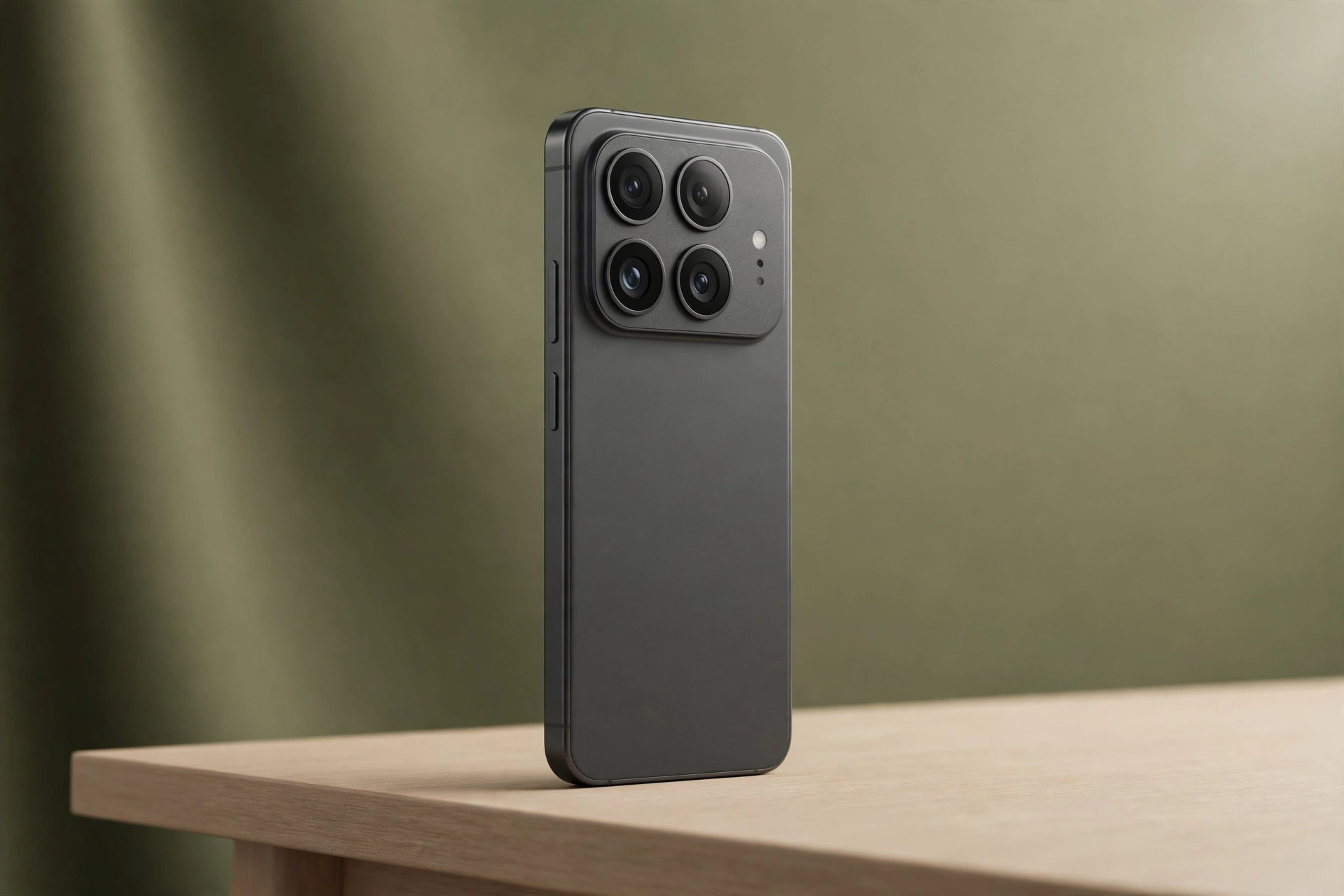
    Three days from now, Motorola will show you the Signature 27 in full. That sentence needs a footnote before anything else, because most of the coverage around this phone treats November 5 as a launch date, and Motorola’s own wording does not quite say that. The company’s October 29 post on X invites people to “see for yourself on November 5.” It does not call that day a sale date, a pre-order date, or a release date in any market. PhoneArena has flagged exactly this gap, warning that November 5 may deliver only the full spec sheet, with sales starting later — and possibly no US availability news at all. So read everything below with that frame in mind: a lot is genuinely confirmed, a lot more is hands-on reporting or leaks, and Thursday is when Motorola sorts one pile from the other.

    What is not in doubt is that this is Motorola’s boldest flagship move in years. The Signature 27 is the second phone in the Signature line, previewed at Qualcomm’s Snapdragon Summit on September 22, and it is the line’s first conventional, non-foldable flagship. Its predecessor, the original Motorola Signature, launched in January 2026 and skipped the US entirely. The 27, by contrast, is confirmed for North America — Motorola’s US site has said “coming this November,” and the company told How-To Geek that North America gets it in the “coming months.” India, where the first Signature sold well, gets a November window with no exact date yet. Europe and the UAE have no announced dates at all. In other words: the reveal is global, but the rollout will not be.

    What Motorola has actually confirmed

    Strip away the leaks and the hands-on, and Motorola’s own confirmed list is still substantial. The chip is Qualcomm’s Snapdragon 8 Elite Extreme Gen 6, built on a 2nm process — the same silicon family headlining this autumn’s flagship wave, and the reason the phone was previewed at Qualcomm’s summit in the first place. The main camera is a 50MP Sony LYTIA 910 sensor, a large 1/1.28-inch unit with optical image stabilization. Beside it sits a 200MP periscope telephoto, with Motorola teasing 5x optical zoom and up to 100x “Super Zoom Pro” using generative AI — those zoom figures come from Motorola’s teasers, not from independent testing, so treat them as claims until reviewers get hold of the phone.

    Cooling gets a name and a number: ArcticMesh, combining diamond-infused thermal gel, liquid metal, copper mesh, and a redesigned 3D vapour chamber that Motorola says is 40% larger than the previous generation’s. Audio is tuned by Bang & Olufsen, a first for a Motorola phone. Software is Android 17 out of the box with seven years of OS updates promised. And the colours are confirmed as PANTONE Coal Smoke, with a Tactical Weave texture, and PANTONE Capulet Olive, with a brushed textile-inspired finish, over an aerospace-grade aluminium frame. That is the solid ground. Everything after this paragraph stands on softer footing, and the article will say so each time.

    The hands-on filled in the screen — and left the battery blank

    The biggest single source of new information in the last few days is a hands-on video from creator Danny Winget, published October 31 and made in partnership with Motorola after he used a pre-launch unit for a few weeks. Partnership videos deserve a grain of salt — the unit ran early software, and Winget himself cautioned that camera tuning may change before launch — but this one still moved the story forward, because it is the source behind nearly all the November 1–2 coverage.

    From Winget: a 6.8-inch “Extreme AMOLED Duo” tandem OLED display with LTPO and a 12,000-nit peak brightness claim, demonstrated in harsh sunlight; 16GB of RAM and up to 1TB of UFS 4.1 storage in the demo unit; a 50MP ultrawide and a dedicated action sensor for motion capture alongside the two confirmed cameras, with 8K video and dual-capture video on the front; and a dedicated AI button on the olive unit. A separate Geekbench listing showing a 12GB RAM unit running Android 17 suggests multiple memory configurations are likely, though none is officially confirmed.

    And then there is the conspicuous blank. Winget gave no battery figure at all — only that it is “sizable” and that buyers “wouldn’t be disappointed” — and multiple outlets report he was not cleared to share one. No charging speeds, no dimensions, no weight, no price, no sale date. For a phone three days from its reveal, that is a lot of missing basics, and it is why the rumour mill around this phone is unusually loud right now.

    Three numbers you should not quote yet

    This is where coverage of the Signature 27 gets messy, so here are the three conflicts to watch on Thursday, stated plainly. First, refresh rate: the hands-on says 120Hz, while September-era reports and spec databases say 165Hz — the latter almost certainly carried over from the original Signature, which did have a 165Hz screen, but until Motorola confirms it, neither figure is settled. Second, brightness: the hands-on claims 12,000 nits, while some September reports said 6,200 nits — and 6,200 nits is the original Signature’s confirmed figure, so those reports were very likely repeating the predecessor’s spec. Third, battery: leaks split between 6,000mAh and 7,000mAh, and the hands-on gives no number at all, so any article stating a battery size for this phone today is guessing.

    The same caution applies to the rest of the spec sheet floating around. A 50MP front camera, ultrawide field-of-view and aperture details, an IP68/IP69 rating, and 90W wired plus 50W wireless charging all appear in leak roundups — and every one of them matches the original Signature’s spec, which is exactly why they are suspect. They may turn out to be right; they may be copy-paste from the predecessor. The same goes for a reported GrapheneOS support mention, which is not part of Motorola’s confirmed list at all. Thursday’s announcement is the moment these stop being rumours.

    The price problem

    If the spec sheet is fuzzy, the price is fog. Motorola has named no price anywhere, and the strongest single data point is not from Motorola at all: Portuguese retailer MegaPC listed a 12GB/512GB Coal Smoke unit at €1,594.90, marked temporarily out of stock, with no ship date. Multiple outlets warn it may be a placeholder. Straight currency conversions of that listing land anywhere from about $1,735 to $1,800 depending on the outlet and the day, and European prices include VAT, so a US price would likely come in lower than a straight conversion anyway. PhoneArena’s separate US estimate is around $1,600. India estimates are all over the place — “close to Rs 1 lakh” in some reports, Rs 70,000–80,000 in others, and a straight conversion of the EU listing would imply roughly Rs 1,69,000, which Digit itself notes is unlikely to be the real Indian price. One outlier listing an $899 starting price contradicts every other source and should be ignored.

    What the listing does usefully establish is the direction of travel. The original Signature cost €999 in Europe for 12GB/512GB and Rs 59,999 in India. If €1,594.90 holds, that is roughly a 60% jump in Europe — a steep rise even in a year when memory prices are squeezing every phone maker, and a number that will dominate the reaction to Thursday’s reveal if Motorola confirms anything near it. But “if” is doing a lot of work in that sentence, and it should stay there until Motorola speaks.

    Who this phone is actually for

    Put the confirmed pieces together and the audience comes into focus. This is a phone for people who want a top-tier camera system — a big main sensor plus a genuinely high-resolution periscope — and a chip that will stay fast for years, backed by seven years of OS updates, in a Motorola package that is finally coming to North America. The cooling system and the action sensor suggest Motorola is pitching it at people who shoot a lot of video and play demanding games, not just spec-sheet readers.

    Who should skip it, or at least wait? Anyone price-sensitive should wait for Thursday, because the only price signals so far point sharply upward from the original Signature. Anyone who needs a phone this week should buy something else, because November 5 may not come with a buy button in their market. And anyone who cares about battery life or charging should wait too — those are precisely the numbers Motorola has not confirmed, and they are the numbers that decide whether a flagship is livable or merely impressive.

    Thursday will settle most of this in one go: the full spec sheet, the real price, and — hopefully — actual sale dates by region. Until then, the Signature 27 is best understood as a very promising phone with a very unconfirmed price tag, and any coverage that presents it otherwise is getting ahead of Motorola itself.

    Also on corei10: the Xbox games server closure dates, our OnePlus Ace 7 Pro launch coverage, and the Honor WIN 2 gaming phone.

  • Honor WIN 2: The Dual-Fan Gaming Phone With a 2nm Chip and Record Battery

    Honor WIN 2: The Dual-Fan Gaming Phone With a 2nm Chip and Record Battery

    The Honor WIN 2 just launched in China, and it is the most gloriously over-engineered gaming phone of 2026. Two physical cooling fans. A 2nm Snapdragon chip boosting past 5 GHz. A 185Hz display. A 10,100mAh battery. Its siblings, the Honor WIN RT 2 and Win Turbo 2, pack an even more ridiculous 12,070mAh — reportedly the biggest battery ever put in a mainstream smartphone. Here are the full specs, prices, and the China-only catch.

    Honor WIN 2 Specs: Snapdragon 8 Elite Extreme Gen 6

    The headline spec is the chip: Qualcomm’s Snapdragon 8 Elite Extreme Gen 6, a 2nm part with two Oryon Prime cores boosting to about 5.01–5.07 GHz, plus six Oryon Performance cores and an Adreno 850 GPU. It is paired with LPDDR5X Ultra RAM and UFS 4.1 storage. Honor’s pre-launch teaser claimed an AnTuTu V12 score of 5,702,964 — ahead of the RedMagic 12 Pro+ (5,670,006), iQOO 16 (5,574,521), and OnePlus 16 (5,633,288), per Notebookcheck. One caveat from GSMDome: the record run was reportedly done in a low-temperature lab, so treat the number as indicative rather than a promise of sustained real-world performance.

    The display is no afterthought: a 6.89-inch flat LTPS OLED at 2K resolution with a 185Hz refresh rate — a smartphone first, according to Honor and panel maker Visionox — plus 5,920Hz PWM dimming, 5,000Hz touch sampling, and ultra-slim 0.93mm bezels. For competitive mobile gamers, that 185Hz panel is the spec that matters most, and 40+ games reportedly support it natively. If battery endurance matters more to you than refresh rate, read how Redmi’s 10,000mAh K100 compares — and note that Honor just smashed that number too (more below).

    A Phone With Two Fans: How the Dual-Fan Cooling Works

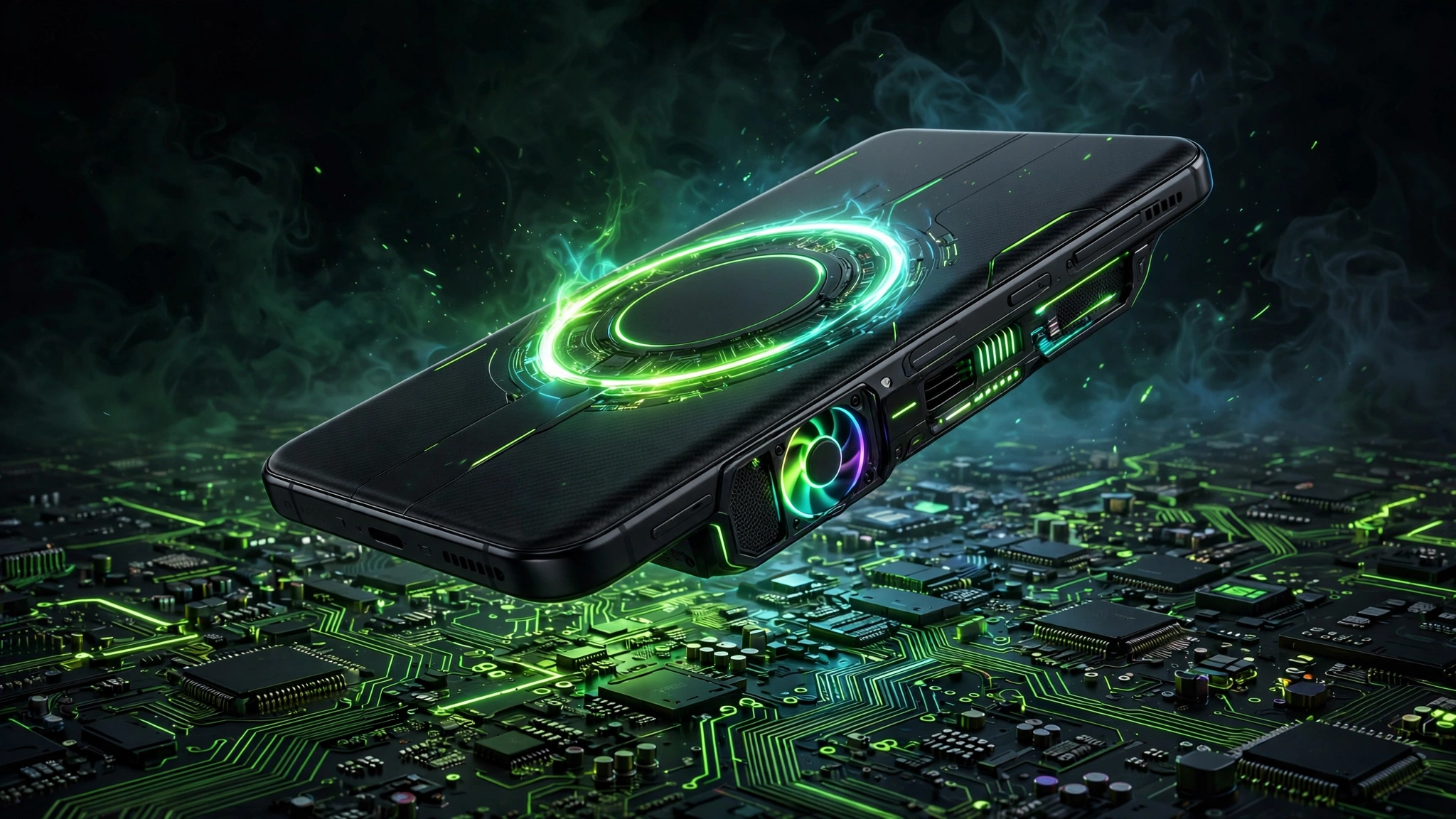
    Why does a phone need fans? Because a 2nm chip boosting past 5 GHz generates heat that vapor chambers alone cannot tame during long gaming sessions. The Honor WIN 2 answers with two physical fans inside the chassis: a vertical cross-flow fan spinning at roughly 20,000 RPM and a side fan at about 31,000 RPM. Honor calls the system Dongfeng Twin-Star Turbo Cooling, claims 1.19 CFM of combined airflow — 2.8 times the industry maximum — and says it can drop the phone’s temperature by up to 14.4°C overall (15.5°C on the processor itself), with a rapid-cooling mode promising 10°C in 50 seconds.

    The fan grille sits inside the rear camera module next to the two rear cameras, and a customizable RGB ring surrounds the vent. Remarkably, the device still carries IP68, IP69, and IP69K dust and water ratings — yes, a phone with spinning fans that can apparently be hosed down. Honor says each fan is individually IP58-rated, survived 5,000 drop tests, passed L10 lifespan testing, and is rated for five years of reliable use. Users get automatic temperature-based control or four manual speed presets. It is the most over-engineered thermal solution ever shipped in a phone — meant as a compliment.

    Battery, Charging and Display

    The Honor WIN 2 packs a 10,100mAh battery with 100W wired charging, plus wireless charging — though the wattage is unconfirmed (50W per leaks, 80W per some launch-day coverage). That battery is roughly double what most 2026 flagships carry, and Honor’s endurance framing suggests multiple days of normal use or a full day of heavy gaming.

    Around the hardware: a dedicated physical WIN key, an ultrasonic in-display fingerprint sensor, dual symmetrical 1216 speakers, MagicOS 11 based on Android 17, and USB 3.2 Gen 1 (per leaks). The camera array is led by a 200MP main sensor with OIS (1/1.4-inch, per leaks — not Honor-confirmed), with no telephoto lens — an honest tradeoff for a phone whose budget went into cooling and silicon. Gaming phones live and die by their niche priorities, and Honor’s are clear: frame rates first, cameras a distant second. For a different flagship-phone philosophy, compare OPPO’s Find X10 Pro Max with its triple 200MP cameras, or Apple’s $1,999 foldable for the premium mainstream take.

    Honor WIN RT 2 and Win Turbo 2: Record 12,070mAh Batteries

    Launched alongside the flagship, the Honor WIN RT 2 and Win Turbo 2 chase endurance over extreme thermals — and their 12,070mAh Qinghai Lake batteries are the story. Multiple outlets call it the largest battery ever in a mainstream-brand smartphone (leaker Digital Chat Station’s phrasing); Honor’s own narrower claim is that it is the largest battery it has ever put in a phone, beating the 11,000mAh of its Magic9 Super Edition. For scale, that is roughly 2.4× a typical flagship battery.

    The WIN RT 2 runs the Snapdragon 8 Elite Gen 5 with the same 6.89-inch 2K 185Hz panel, a single-fan Dongfeng cooling setup, a 200MP 1/1.55-inch main camera with OIS plus 12MP ultrawide and 50MP front cameras, and 90W wired charging. Prices: ¥4,199 (~$627) for 12GB+256GB up to ¥5,199 (~$777) for 16GB+512GB, with China’s national subsidy dropping the entry point to about ¥3,149 (~$470).

    The Win Turbo 2 is the affordable one: Snapdragon 8s Gen 4, the same 2K 185Hz panel (with a claimed 10,000-nit peak brightness), the same 12,070mAh battery with 90W wired charging plus 27W reverse and bypass charging, a fanless design, and a 50MP Sony main camera. Honor claims 17.7 hours of continuous gaming. Prices run ¥3,199 (~$478) to ¥4,499 (~$672), with subsidized pricing from about ¥2,251.65 (~$336). Both phones run MagicOS 11 on Android 17 and carry IP68/IP69/IP69K ratings.

    Price, Colors and Availability

    The Honor WIN 2 launched on October 21, 2026 at Honor’s “Win Gaming Universe Carnival” in China and went on sale the same day, with pre-orders having run earlier on a 100-yuan deposit. Configurations sold: 12GB+256GB, 16GB+256GB, 12GB+512GB, 16GB+512GB, and 16GB+1TB. The only price Honor confirmed is ¥5,499 (roughly $775–$822) for the 12GB+512GB model after China’s national subsidy; unsubsidized pricing for the other configurations has not been disclosed. Colors are Quick Black, Designated Win (white), and a two-tone Red and Blue Buff.

    The big caveat: the WIN 2 series is China-only. Honor has announced no global, US, or European plans. The original Win series from December 2025 was also China-only, so history suggests this pattern will repeat. Outside China, the only route to one is an import or gray-market purchase — which brings its own warranty and band-compatibility questions.

    Honor WIN 2 vs the Competition: Is It Worth Importing?

    Stack the Honor WIN 2 against its rivals and the tradeoffs are sharp. Against the RedMagic 12 Pro+ and ASUS ROG Phone line, the dual-fan cooling and 2nm silicon give it a legitimate performance argument — if the AnTuTu teaser holds up in the real world. Against mainstream flagships, the 12,070mAh RT 2 and Turbo 2 offer endurance nothing else in 2026 touches, at mid-range prices. But the China-only status, the fanless-compromise question on the cheaper models, and leak-sourced camera specs mean international buyers are betting on hardware they cannot easily service. For a mobile gamer in China, the WIN 2 is the most interesting phone launch of the month. For everyone else, it is a fascinating look at how far the gaming-phone niche will go — and a preview of what 2027 flagships might borrow. For console gaming news, see our PlayStation Plus October 2026 games guide.