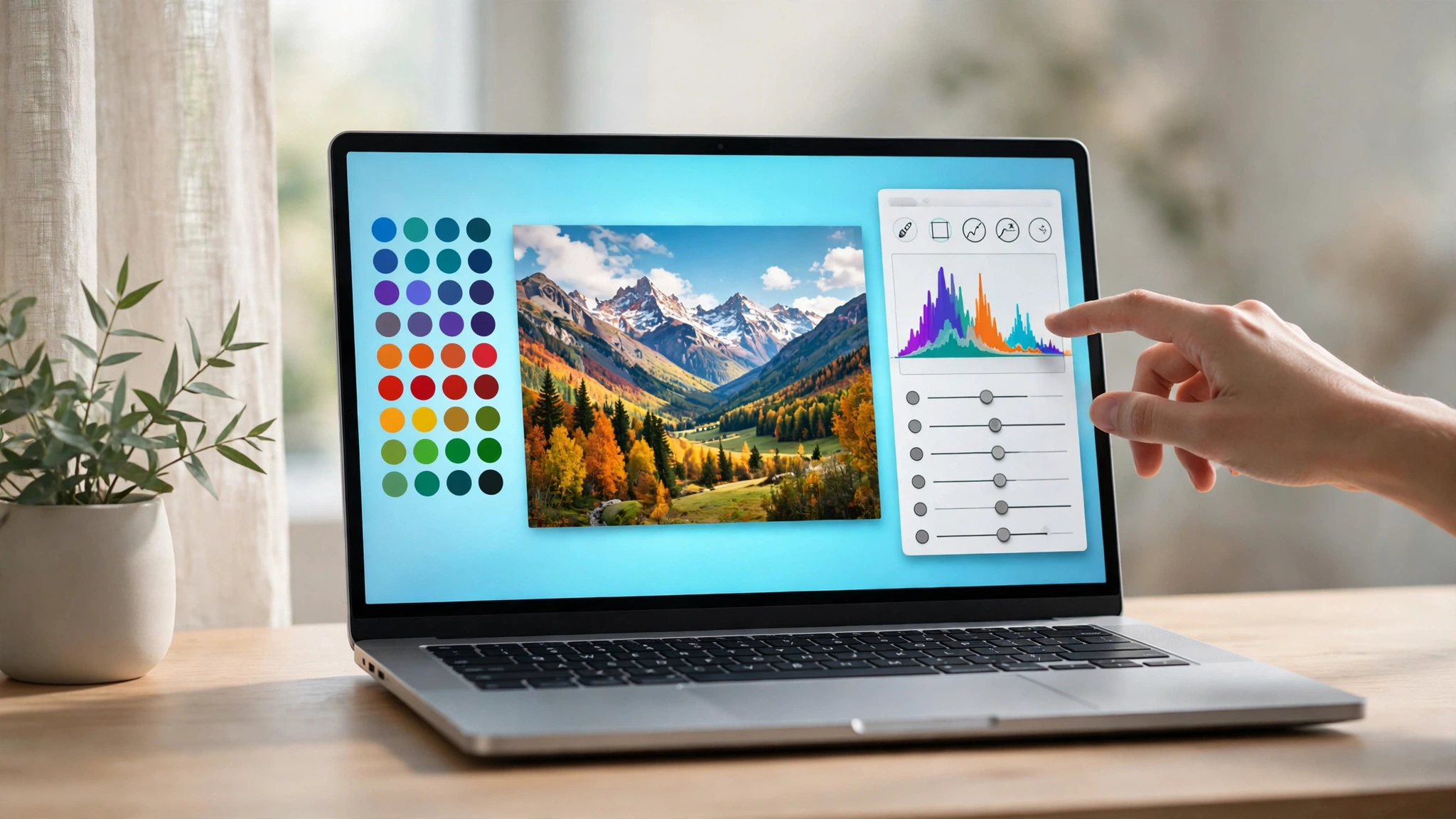
Tag: touchscreen MacBook Pro

  • Touchscreen MacBook Pro: $2,899 Price, Specs & Release Date

    Touchscreen MacBook Pro: $2,899 Price, Specs & Release Date

    Apple has finally put a touchscreen on a Mac. The MacBook Pro with PROLED XDR Display, announced October 28, is the first Mac you can touch — and it arrives with a price that makes clear who Apple thinks it’s for. The 14-inch model starts at $2,899, pre-orders opened the day of the announcement, and the first machines reach stores on Friday, November 6.

    This is not the MacBook Pro most people will buy. It is the one photographers, video editors, and illustrators have been asking Apple about for a decade, now built around a tandem OLED panel Apple calls PROLED XDR, the same M5 Pro and M5 Max chips from the spring MacBook Pros, and a chassis that somehow got lighter while gaining a touch layer. If you were waiting for the October 28 event to decide on a new Mac, the decision just got more interesting — and more expensive.

    The display is the whole pitch

    Start with the screen, because that is what the $2,899 buys. PROLED XDR stacks two light-emitting layers in a tandem OLED panel, and the numbers Apple publishes are a step past the mini-LED display it replaces: up to 2,000 nits of peak brightness for both HDR and SDR content (the old panel managed 1,600 nits, and only for HDR), a 10,000,000:1 contrast ratio against the old 1,000,000:1, and a color gamut covering both P3 and Adobe RGB, with more than 80 percent of Rec. 2020. For print work, the Adobe RGB coverage is the detail that matters — it is the color space photographers actually deliver in, and it has never been native to a MacBook display before.

    ProMotion now swings from 10Hz to 120Hz, so the panel sips power on a static page and stays smooth when you scroll. Every model gets an antireflective coating as standard, with a nano-texture option etched directly into the cover glass for glare-heavy rooms. Thinner bezels stretch the screens slightly, to 14.2 and 16.3 inches diagonally. And the notch is gone, replaced by the Dynamic Island from the iPhone, which now houses Spotlight, Live Activities, and Siri on the Mac.

    Touch, built the way Apple usually builds things

    Apple’s approach to touch is characteristically cautious. The touch sensor is built directly into the display panel rather than layered on top, which Apple says cuts latency, and a redesigned hinge keeps the screen steadier when you tap it. The gestures are the obvious ones: swipe to scroll a page, pinch to zoom a photo, drag slides between presentations, double-tap a window to fill the screen, flick a window to tile it.

    Here is the part worth reading carefully. macOS translates touches into clicks, so many existing apps work with touch immediately — but apps purpose-built for touch are a second wave. Apple’s own Creator Studio apps get touch features in a November update: Pixelmator Pro lets you draw on the canvas, Logic Pro adds a playable multi-touch keyboard with chord and drum pads, Final Cut Pro lets you pinch to zoom a cut. Third-party apps Apple names — Notion, Canva, Zoom, Microsoft Office, Lightroom, DaVinci Resolve, Blender, among others — arrive later this year, per Apple’s own footnote. Touch on day one is real, but the touch-optimized app library is not finished yet. That is a reason to wait if touch itself is your main reason to buy.

    Same chips, lighter everything

    Under the screen, nothing about performance changes — and that is the point. The M5 Pro and M5 Max are the same chips Apple shipped in the spring MacBook Pros, with up to 128GB of unified memory and storage now reaching 16TB. What changed is the body around them: the 14-inch model weighs 3 pounds, half a pound less than before, and the 16-inch weighs 4 pounds, 0.7 pounds lighter. Both are slightly thinner. Battery life is rated at up to 24 hours, unchanged, with fast charging reaching 50 percent in 30 minutes.

    The rest of the spec sheet reads like a pro wishlist: three Thunderbolt 5 ports, HDMI, an SDXC card slot, MagSafe, and a headphone jack; Wi-Fi 7 and Bluetooth 6 on Apple’s N1 wireless chip; a 12MP Center Stage camera; a six-speaker system Apple says delivers 50 percent deeper bass. The M5 Pro drives up to three external displays, the M5 Max up to four. It ships with macOS 27, which Apple calls Golden Gate.

    What it costs

    Apple sells four starting configurations in the US, with education pricing in brackets:

    • 14-inch, M5 Pro: $2,899 ($2,749 education)
    • 16-inch, M5 Pro: $3,399 ($3,199 education)
    • 14-inch, M5 Max: $4,499 ($4,199 education)
    • 16-inch, M5 Max: $4,799 ($4,499 education)

    For comparison, the previous mini-LED models started at $2,499 and $2,999 in the same configurations — so the touchscreen OLED display costs roughly $400 extra, before you touch the configurator. Apple Upgrade leases start at $55.99 a month over 36 months in the US, excluding taxes and trade-in credit. Pre-orders are open in 30 countries and regions, including the US, through Apple’s online store and the Apple Store app.

    Do not confuse it with the $1,999 MacBook Pro

    Apple announced two different MacBook Pros in the same week, and the naming invites a costly mistake. The 14-inch MacBook Pro with M6, announced October 27, starts at $1,999 — $900 less than the cheapest touchscreen model. It has the newer M6 chip, but it keeps the older Liquid Retina XDR mini-LED display (1,600 nits peak HDR), has no touch, three Thunderbolt 4 ports instead of Thunderbolt 5, supports two external displays, and tops out at 32GB of memory. It matches the touchscreen model on battery life, and it arrives the same day, November 6.

    The same week also brought a new 24-inch iMac with M6, starting at $1,499, with pre-orders open and the same November 6 availability. If your work lives at a desk, that is the cheaper M6 machine. The touchscreen MacBook Pro is for people who need the display and the portability together — and who can expense the difference.

    Who should buy it, and who should wait

    Buy the touchscreen MacBook Pro if you grade video, edit photos for print, draw on screen, or work in bright rooms where 2,000 nits of SDR brightness and Adobe RGB coverage change what you can see. The lighter chassis is a genuine bonus for anyone who carries a 16-inch machine daily.

    Wait — or buy the cheaper M6 model — if you mostly write, code, browse, and edit casually. The $1,999 MacBook Pro gets you the same battery life and a newer chip for $900 less, and the touch apps that would justify the premium are still rolling out. Wait as well if you want independent display measurements: everything about the panel so far is Apple’s figures, and the first hands-on units land November 6.

    What to watch next: how macOS 27 handles touch in everyday use once real reviewers get machines, whether the third-party touch apps land before the holidays as Apple promises, and whether the $400 premium over the mini-LED models holds once street prices appear. Apple spent years saying a touchscreen Mac was a bad idea. Now it has to prove the opposite — one tap at a time.

    For context: our preview of Apple’s October 28 event covered what was expected before the announcement, and our earlier look at the touchscreen MacBook rumors tracked how the story developed. The new iPad mini that arrived the same week is covered in our iPad mini A20 Pro story. Also new today: PlayStation Plus November 2026 games.
  • MacBook Pro PROLED: Price, Touchscreen & Nov 6 Date

    MacBook Pro PROLED: Price, Touchscreen & Nov 6 Date

    Apple’s First Touchscreen Mac Is Real — and It Costs $2,899

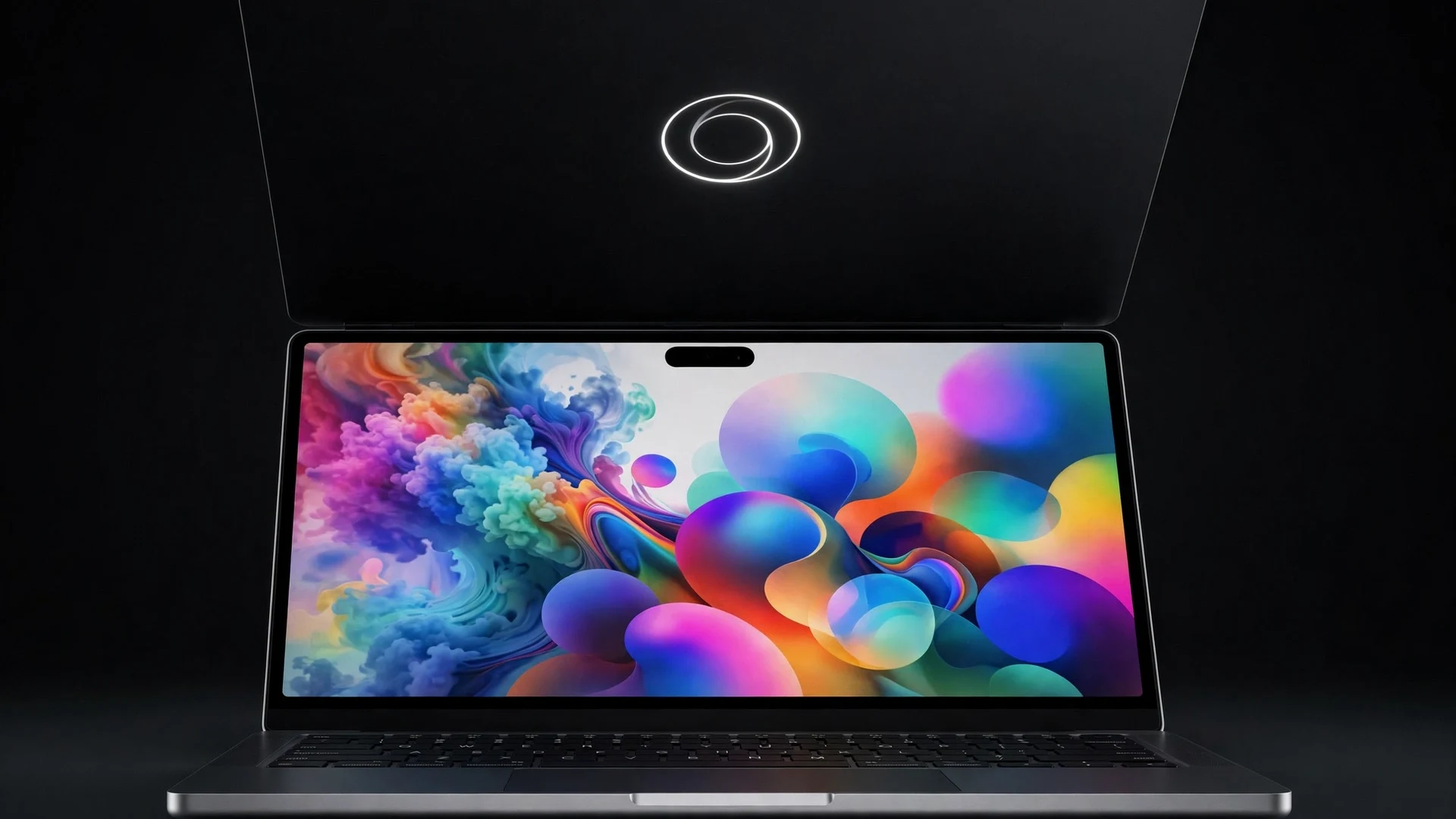
    Apple has finally done the thing it spent years saying it would never do. On October 28, at its “Pro and tell” launch experience in Los Angeles, the company unveiled the MacBook Pro with PROLED XDR Display: the first Mac with a touchscreen, the first Mac with an OLED panel, and — in a nod to everyone who missed the old machines — a glowing Apple logo on the lid again. Pre-orders opened the same day, and the first machines arrive Friday, November 6.

    This is not a rumor article anymore. Two weeks ago we previewed the October 28 event based on Bloomberg’s reporting; yesterday’s iPad mini launch was the warm-up act. Now the headline product is official, priced, and on sale — and the details are stranger and more interesting than the leaks suggested.

    The screen is the whole pitch

    Apple calls the panel PROLED XDR, a tandem OLED display — two layers of light-emitting pixels stacked together, the same approach it first used on the iPad Pro. The numbers Apple quotes are striking: up to 2,000 nits of peak brightness for both HDR and standard content, a 10,000,000:1 contrast ratio, ProMotion refresh up to 120Hz, and coverage of both the P3 and Adobe RGB color gamuts, the latter being the one print designers and photographers actually care about. A nano-texture finish is available as an option to cut glare.

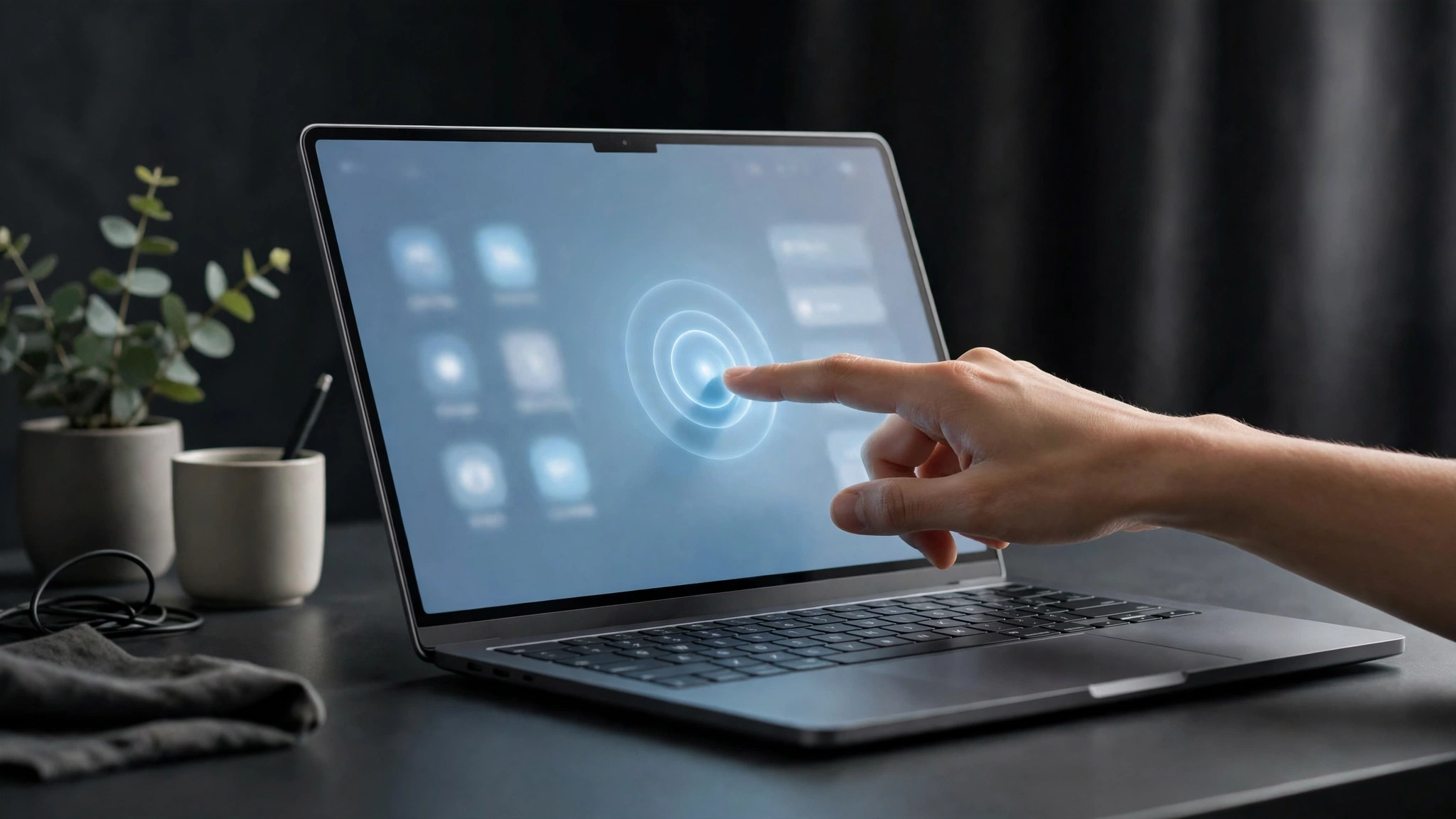
    Touch is built directly into the display panel rather than laid on top of it, and Apple says it added video stabilization so your camera feed doesn’t shake when you tap the screen during a call. The notch is gone, replaced by a Dynamic Island around a 12-megapixel Center Stage camera — the same pill-shaped cutout iPhone owners know, now home to Spotlight, Live Activities, and Siri AI on the Mac. Tap an AirDrop request, pause a song, glance at a live activity: that’s the idea.

    In practice, most apps work with touch today because macOS translates a tap into a click. Apple’s own footnote puts dedicated touch updates for Microsoft Office, Zoom, Lightroom, and Blender later this year, which tells you where the company thinks touch will actually matter first: presentations, calls, photo edits, and 3D work, not replacing the keyboard and trackpad. Early hands-on reports add one notable absence: no Apple Pencil support, at least so far.

    The chip choice is the surprise

    Here’s the twist nobody quite predicted. The new machines run M5 Pro and M5 Max — the same chips from the standard MacBook Pros introduced in March — not the newer M6. That’s because, a day earlier, Apple put the M6 in the cheaper 14-inch MacBook Pro and the new iMac instead. So for the moment, the most expensive MacBook you can buy does not have Apple’s newest chip in it.

    Is that a problem? Probably not for the buyers this machine is aimed at. M5 Pro and M5 Max remain among the most capable laptop chips Apple sells, configurable with up to 128GB of unified memory and storage up to 16TB, and Apple claims up to 24 hours of battery life. The new models are also thinner and lighter than the standard Pros in the same sizes — about 3 pounds for the 14-inch and 4 pounds for the 16-inch, according to early hands-on coverage — with Thunderbolt 5, Wi-Fi 7, Bluetooth 6, and a six-speaker audio system. The glowing logo, for what it’s worth, is back on both sizes in silver or space black.

    The pricing, though, is where the room goes quiet:

    • 14-inch, M5 Pro: from $2,899
    • 16-inch, M5 Pro: from $3,399
    • 14-inch, M5 Max: from $4,499
    • 16-inch, M5 Max: from $4,799

    Students and teachers pay $2,749 for the cheapest configuration. In Canada, where pre-orders opened in 30 countries and regions, the 14-inch M5 Pro starts at $3,999 CAD. Put another way, the touchscreen and OLED display cost $400 more than the equivalent standard MacBook Pro — the 14-inch standard model starts at $2,499, the 16-inch at $2,999 — and those standard models stay on sale. Apple is not forcing anyone onto touch. It’s charging a premium to the people who want it.

    Who this is actually for — and who should wait

    Buy this machine if you do visual work where touching the thing you’re editing is genuinely faster: scrubbing a timeline, dragging a slider, marking up a photo, moving slides around in a deck. The tandem OLED panel alone is a real upgrade for anyone grading video or retouching photos, and the Adobe RGB coverage is a deliberate signal to that crowd. If you’ve been holding a 2021-era MacBook Pro together with hope and dongles, this is a defensible jump.

    Skip it — for now — if you just want the newest Apple silicon, or if your budget is anywhere near the standard models. The M6 14-inch MacBook Pro announced a day earlier is the better value for most people, and it arrives the same day, November 6. And if you mostly type, browse, and answer email, a touchscreen on a laptop remains what it has always been on Windows machines: nice occasionally, forgotten mostly. Wait for the first independent reviews to answer the question Apple can’t: whether macOS, an operating system designed for a pointer, feels natural under a fingertip after a week, not just during a demo.

    What to watch next is straightforward. The first machines land November 6, and with them the first real-world verdicts on the display, the weight, and touch in daily use. Apple’s touch updates for Office, Zoom, Lightroom, and Blender are due later this year, and those will matter more to this machine’s story than any spec sheet. And the obvious question hangs over the whole lineup: when M6 Pro and M6 Max eventually arrive, does this PROLED model get them, or does Apple keep its fanciest screen one chip generation behind its fanciest silicon? For now, the Mac’s touchscreen era has a price tag, a ship date, and — at last — a product you can actually order.

    Related: Apple’s October 28 event preview — what we expected before the announcement. iPad mini with A20 Pro — the other big launch from Apple’s October week. Touchscreen MacBook rumors — how the story developed. And Google’s own AI leap this week: Genie 4’s interactive worlds.

  • Apple October 28 Event: Touchscreen Mac, M6 & More

    Apple October 28 Event: Touchscreen Mac, M6 & More

    Apple October 28 Event: Touchscreen Mac, M6 Macs & OLED iPad Mini — What to Expect

    The Apple October 28 event brings Apple back to Los Angeles on Wednesday, October 28, 2026, for its “Pro and Tell” product experience — its second event this month, just two weeks after the October 13 “Welcome Home” launch. The headline expectation, according to Bloomberg’s Mark Gurman, is Apple’s first-ever touchscreen MacBook Pro.

    One important note before the details: Apple has confirmed the event itself — the date, the city, the time, and the tagline. It has confirmed none of the products. Everything below about Macs and iPads is reporting, principally from Gurman, not an Apple announcement. Keep that distinction in mind, and you will read the week ahead correctly.

    Apple October 28 event: Date, Time and Format

    The Apple October 28 event takes place in Los Angeles, starting at 10 a.m. PT / 1 p.m. ET / 10:30 p.m. IST. Apple sent media invitations on Monday, October 19, and senior vice president of worldwide marketing Greg Joswiak teased it on X, writing: “Can’t wait to pro and tell next week,” alongside the event artwork.

    The format is worth knowing in advance. This is billed as an “Apple Experience” — a hands-on media event, not a traditional keynote. According to Macworld, it will not be broadcast as a keynote and no livestream is expected; announcements will likely arrive as press releases and videos, similar to the October 13 event in New York. So do not wait for a livestream link — watch for Apple’s newsroom posts instead.

    There is also a small wrinkle in the timing. Gurman’s earlier reporting pointed to October 27, and Macworld flags that product announcements could arrive on October 27, a day before the hands-on experience. Do not be surprised if news breaks a day early.

    Apple October 28 event: Touchscreen MacBook Pro

    The expected headliner is a redesigned 14-inch and 16-inch MacBook Pro with an OLED touchscreen — the first Mac with touch input, and the first Mac with an OLED display. Apple has spent years insisting that touch belongs on the iPad while the Mac is for trackpads and keyboards. If Gurman’s reporting is right, that position is about to reverse.

    The reported details are specific: a Dynamic Island replacing the camera notch, a significantly lighter and thinner redesigned chassis, and a reinforced hinge to keep the screen stable when you tap it. Touch is expected to work alongside the keyboard and trackpad, not replace them, with macOS touch gestures reportedly in preparation.

    Surprisingly, the high-end models are expected to keep the M5 Pro and M5 Max chips from the current MacBook Pros introduced in March 2026, rather than moving to M6 Pro and M6 Max. One outlet’s relay suggests an M6 chip for the touchscreen model, but that reads as an outlier against the consensus — treat M5 Pro/Max as the reported configuration.

    No price is confirmed. One report, citing Gurman, suggests starting prices could be up to $500 higher than today’s models, but no dollar figure is confirmed, so we are not publishing a price here.

    We covered the touchscreen MacBook rumor in depth earlier this month — see our touchscreen MacBook preview for the background on how this story developed.

    Apple October 28 event: M6 MacBook Pro and iMac

    Not everything on October 28 gets the redesign. Apple is also expected to update the entry-level 14-inch MacBook Pro with the new M6 chip, keeping a design very similar to the current model and, by most accounts, no touchscreen. This is the mainstream MacBook Pro update: same look, faster silicon.

    The 24-inch iMac is expected to get the same treatment — a chip bump to M6 with no major exterior redesign. Note the jump: the current iMac runs on M4, so this would skip the M5 generation entirely, according to Macworld. If you want a desktop for everyday productivity and creative work without a separate monitor, this is the one to watch.

    Apple October 28 event: OLED iPad Mini

    The fourth expected announcement is the next iPad mini, widely reported as the iPad mini 8 — though Apple has not confirmed that name. The headline change is an OLED display, the first for the iPad mini and the first for any iPad outside the Pro lineup.

    Other reported changes include the A20 Pro chip (the same chip family as the iPhone 18 Pro and iPhone Duo), a front camera repositioned for landscape use, a redesigned speaker system with no visible grille holes, and improved water resistance. No IP rating number has been reported anywhere, so do not expect a specific rating claim.

    Pricing is disputed. Several outlets relay a figure near $799, up from the $599 predecessor — but the $799 number is Gurman relay, not confirmation, and one source cites a $500 current model, which would make the jump larger. Likewise, the display size (8.4 vs about 8.5 inches) and refresh rate (60Hz vs 120Hz ProMotion) are contested across reports. The OLED claim itself is consistent; the details are not.

    Apple October 28 event: When Can You Buy Them?

    Reported availability is the shakiest part of this story. Pre-orders are reported as expected on October 28, but that is unconfirmed. The widely repeated in-store date, Friday, November 6, 2026, is not an Apple announcement at all — it is Gurman’s inference from a planned Apple Store floor reset on the evening of November 5 into November 6. It is also unclear whether November 6 covers all four products or only some of them.

    The honest summary: expect announcements around October 27–28, and treat November 6 as a well-sourced guess, not a date to plan around until Apple confirms it.

    What Else Apple Launched This Month

    This event caps a very busy October for Apple. On October 13, the company launched its HomeView smart display, the HomePod mini 2, and a new Apple TV 4K — see our Apple HomeView coverage and Apple TV 4K (4th gen) coverage for those. The iPhone Duo, Apple’s first foldable, went on sale October 23. The October 28 event shifts the spotlight from the home and the pocket to the desk — and if the touchscreen MacBook Pro is real, it will be the most consequential Mac change in years.

    Also launching the same week: the iQOO Neo 12 gaming phone, which debuts in China on October 28 with a 2K 185Hz display and a 9,000mAh battery — a very different kind of launch day, on the very same date.